
Gut Health and Ayurveda
Modern research has spent the last two decades establishing how much of overall health traces back to the gut — immunity, mood, energy, inflammation. Ayurveda arrived at a version of the same conclusion several thousand years earlier, and built its entire approach around it.
The Ayurvedic term is agni, usually translated as digestive fire. It refers to your capacity to break food down and actually absorb it. Ayurveda's claim is that agni, not diet alone, determines what you get out of what you eat — which is why two people can eat the same meal and one feels fine while the other spends the afternoon bloated.
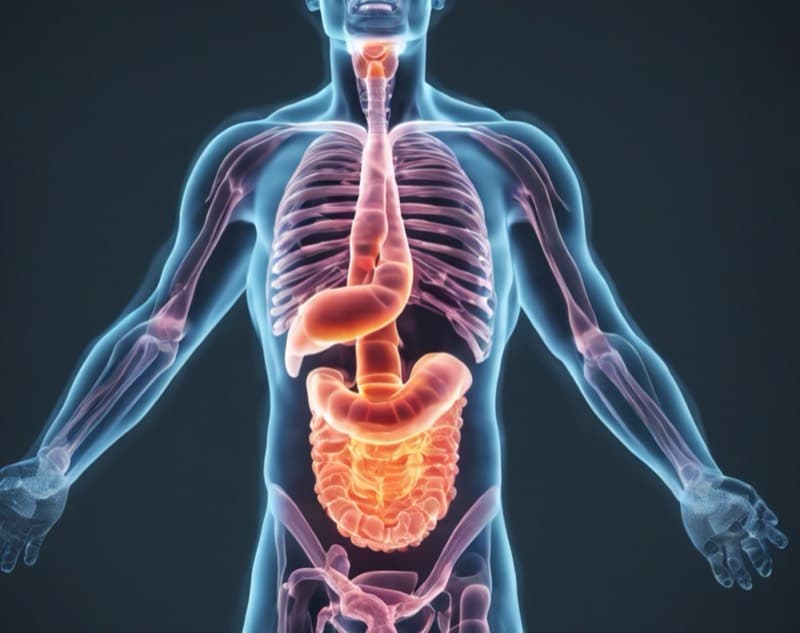
Why “eat healthily” often is not the answer
A great deal of gut wellness advice is generic: more fibre, more raw vegetables, more fermented food, more water. It helps some people and makes others distinctly worse — and if you are in the second group, the usual conclusion is that you are doing it wrong.
Ayurveda's answer is that digestion is constitutional. A raw salad at eight in the evening asks a lot of a system that is already running cold and slow. The same salad at midday suits someone else perfectly. The food is not the variable; the person is.
The three patterns
Ayurveda groups constitution into three doshas. Digestively, they tend to go wrong in characteristic ways:
- Vata — irregular and variable. Bloating and gas, unpredictable appetite, dryness, constipation. Digestion that behaves differently depending on stress and routine.
- Pitta — sharp and hot. Strong appetite, acidity and reflux, loose stools, irritability when a meal is missed.
- Kapha — slow and heavy. Sluggish digestion, heaviness after eating, congestion, appetite that is easy to ignore.
Most people are a mix, and the pattern that shows up when things are off is not always the constitution you started with. If you want a rough sense of where you sit, the two-minute digestive type quiz is a reasonable starting point.
What usually changes first
Not, generally, the food. In Ayurveda when and how you eat carries as much weight as what is on the plate — regular mealtimes, the largest meal at midday when digestive capacity peaks, eating without a screen, leaving space between meals rather than grazing. Then spices and preparation, then the wider daily rhythm of sleep, movement and stress.
These sound modest. They are also the changes people most often skip on the way to a more dramatic elimination diet — and the ones that tend to hold.
Why Charmaine works this way
She came to it as a patient. After a diagnosis of Hashimoto's thyroiditis, an autoimmune thyroid condition, she changed her diet and daily routine and reached remission in under a year. That sent her from teaching yoga into studying Ayurvedic digestive health properly, and she is now a certified Ayurvedic digestive health coach.
A word on what this is and is not: Ayurvedic coaching is not medical treatment, and Charmaine does not diagnose disease or ask anyone to stop a prescribed medication. It works alongside your doctor. If something you describe needs medical attention, she will tell you to go and get it.
Work on your digestion
Sessions include a constitution assessment, dietary and lifestyle guidance, and where useful herbs and spices — see the full outline on the Ayurveda page.
Ayurvedic digestive health coaching — S$150 for a one-hour session.
Get in touch